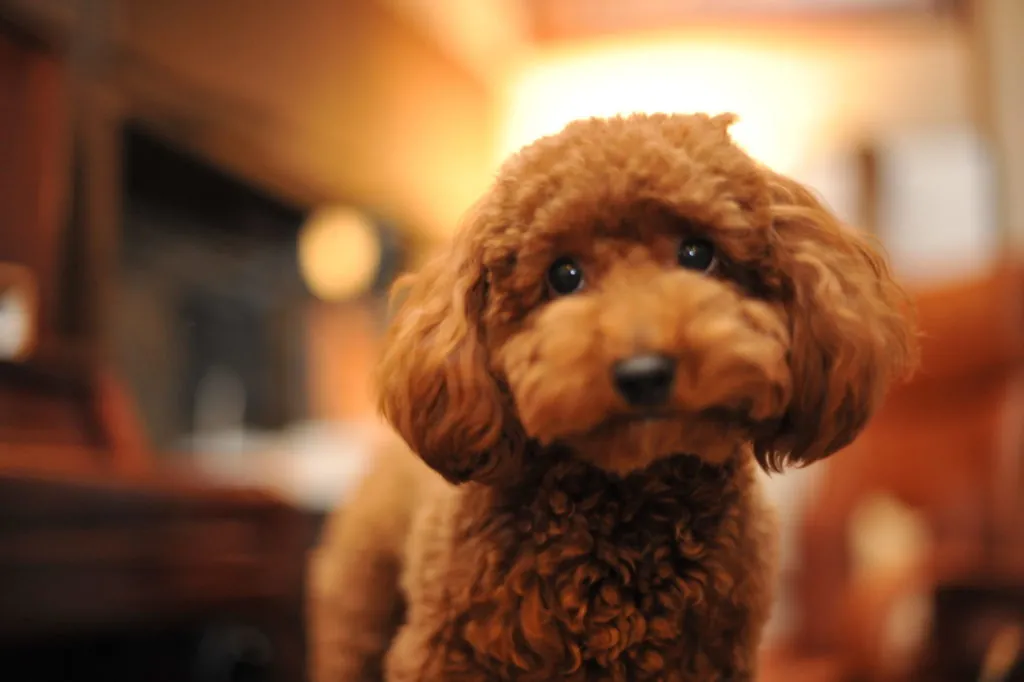
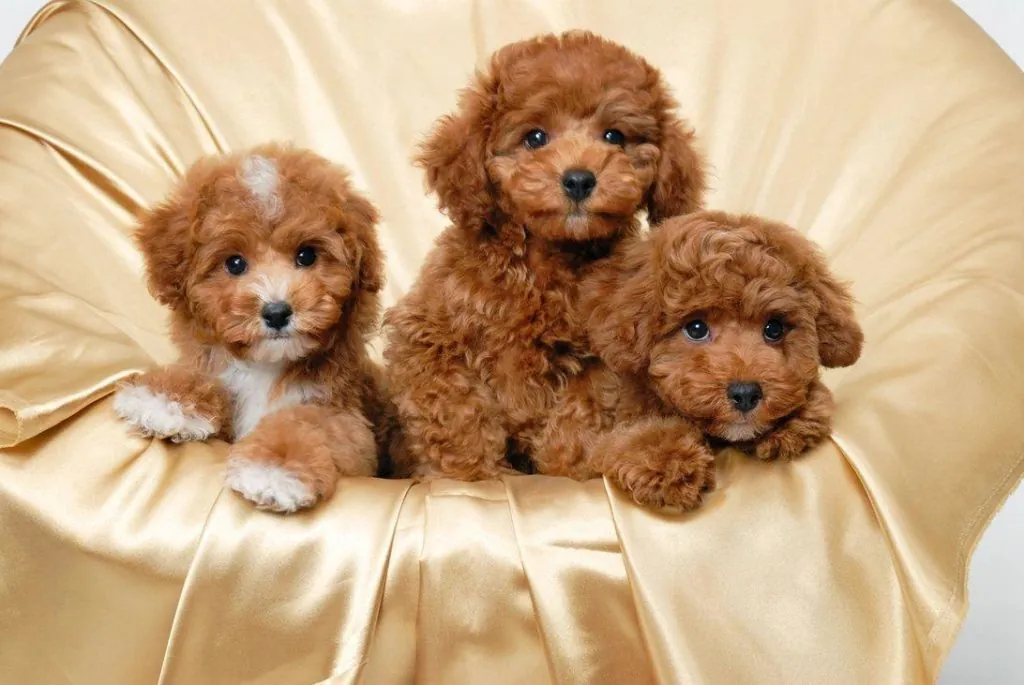
The Toy Poodle is the smallest of the three Poodle sizes, standing up to 10 inches tall. Tiny as they are, there’s a lot going on under all those curls. They’re one of the smartest dog breeds in the world, they hardly shed, and they pack a big, lively personality into a dog that weighs about as much as a house cat. Here are the facts every future Toy Poodle owner should know, plus a few fun ones you might not expect.
Toy Poodle quick facts
Size Up to 10 inches tall at the shoulder
Weight About 4–6 lbs
Lifespan Often 10–18 years
Coat Curly, dense and low-shedding
Colors Black, white, apricot, red, cream, silver, brown and more
Grooming Brush several times a week, professional groom every 4–6 weeks
Energy Lively and playful; needs daily play and brain games
Best for Adults, seniors and families with older, gentle kids
9 Fun Facts About Toy Poodles
Poodles are one breed in three sizes. Toy, Miniature and Standard Poodles share one breed standard. The only difference is size.
They’re among the smartest dogs. In Stanley Coren’s well-known ranking of dog intelligence, the Poodle comes in second, right behind the Border Collie.
They started out as water dogs. The name comes from the German pudeln, “to splash.” Poodles were bred to retrieve ducks from the water.
The fancy haircut had a job. The classic show clip kept the chest and joints warm in cold water while leaving the legs free to swim.
France claims them. Poodles were bred in Germany, but France made the Poodle its national dog, and the French call it caniche, from chien canard, or “duck dog.”
They have hair, not fur. A Poodle’s coat keeps growing like human hair instead of shedding seasonally. That’s why they shed so little.
Left alone, the coat cords. Unbrushed, the curls twist into long rope-like cords, a style some early show dogs actually wore.
The Toy was made for city life. The Toy size was refined in the early 1900s as a companion for city living.
They’ve done every job. Over the centuries Poodles have worked as retrievers, circus performers, truffle hunters, guard dogs and guide dogs.
Do Toy Poodles Bark a Lot?
Toy Poodles can be vocal. They’re alert little watchdogs, and many will bark at the doorbell, at strangers, at noises outside or when they’re bored or left alone. The good news is that they’re also very smart and eager to please, so barking is usually easy to manage with training.
?Why Toy Poodles bark
Alerting: letting you know someone (or something) is near the house
Boredom: a smart dog without enough to do will find its own entertainment
Being left alone: they bond closely with their people and don’t like long stretches apart
Excitement: greeting you at the door, or wanting to play
Teach “quiet”: wait for a pause in the barking, say “quiet,” and reward the silence. Never reward barking with attention.
Get them used to triggers: practice with the doorbell or knocks at a low level and reward calm behavior.
Socialize early: puppies that meet lots of people, sounds and places grow into calmer adults.
Toy Poodle Size and Lifespan
A Toy Poodle stands up to 10 inches tall at the shoulder and usually weighs about 4–6 pounds. Anything taller counts as a Miniature Poodle. With good care, Toy Poodles are among the longest-lived dog breeds, often reaching 10–18 years.
Toy vs. Miniature vs. Standard Poodle
Toy
Miniature
Standard
Height
Up to 10 in
10–15 in
Over 15 in
Weight
4–6 lbs
10–15 lbs
40–70 lbs
Lifespan
10–18 years
10–18 years
10–18 years
AKC group
Toy
Non-Sporting
Non-Sporting
Best fit
Apartments, adults, seniors
Families, active owners
Active families with space
Coat Care and Grooming
The Toy Poodle’s curly coat barely sheds, which makes it a popular choice for people with mild allergies (though no dog is 100% hypoallergenic). Instead of falling out, loose hair gets caught in the curls, so grooming matters:
Brushing: several times a week, ideally daily, all the way to the skin to prevent mats.
Professional grooming: every 4–6 weeks. Most pet owners choose a short, easy “puppy clip.”
Face and feet: keep the hair around the eyes and paw pads trimmed. Light-colored Poodles can get tear stains.
Teeth: brush several times a week. Toy breeds are prone to dental problems.
Toy Poodle Temperament
Toy Poodles are affectionate, playful and devoted to their family. They love to be close to their people and are happiest when they’re part of everything going on. Some can be shy or reserved with strangers, so early socialization helps them grow into confident, friendly adults.
Because they’re so small and delicate, Toy Poodles do best with adults, seniors and families with older, gentle kids. Many breeders recommend homes where children are old enough to handle a tiny dog carefully.
Health
Like most toy breeds, Toy Poodles can be prone to a few health issues:
Luxating patella A kneecap that slips out of place
Eye problems Such as progressive retinal atrophy (PRA)
Dental disease From crowded teeth in a small mouth
Low blood sugar Tiny puppies should eat small meals often
Legg-Calvé-Perthes disease A hip joint problem seen in small breeds
Regular vet checkups, dental care and a healthy weight go a long way.
Training a Toy Poodle Puppy
Poodles are quick learners, which makes training fun:
Keep it positive Treats, praise and play work far better than harsh corrections. Poodles are sensitive and shut down if scolded.
Crate train early A cozy crate in a busy part of the house helps with house-training and gives your puppy a safe spot.
Potty train patiently Take your puppy out often, especially after meals, naps and play, and reward them right away.
Teach the basics Sit, down, come, “leave it” and “quiet” early on.
Don’t baby them It’s tempting to carry a tiny dog everywhere, but treating a Toy Poodle like a real dog, with rules and training, prevents “small dog syndrome” (pushy, yappy behavior).
A Short History of the Poodle
The Poodle was developed in Germany as a water retriever, likely from older curly-coated water dogs. The breed became hugely popular in France, where the aristocracy adored it and where it eventually became the national dog. Smaller Poodles were bred down from the Standard over the centuries. The Miniature worked as a truffle hunter and circus performer, and the Toy became a pampered city companion in the early 1900s. Today the Poodle is consistently one of the most popular breeds in the United States.
Is a Toy Poodle Right for You?
✓A great fit if you…
want a tiny, smart, low-shedding companion
live in an apartment or a smaller home
are home often and enjoy training and games
don’t mind regular grooming appointments
✕Maybe not the best fit if you…
have toddlers or young kids who play rough
want a quiet dog that never barks
are away from home for long hours every day
Toy Poodle FAQs
Do Toy Poodles bark a lot?
They can. Toy Poodles are alert and will often bark at noises, visitors or boredom. Because they’re smart and eager to please, teaching a “quiet” cue and giving them enough exercise and mental stimulation usually keeps barking under control.
How big do Toy Poodles get?
Up to 10 inches tall at the shoulder and usually about 4–6 pounds.
How long do Toy Poodles live?
Often 10–18 years with good care, among the longest of any breed.
Do Toy Poodles shed?
Very little. Their curly coat traps loose hair instead of dropping it, which is why it needs brushing several times a week and a groom every 4–6 weeks.
Are Toy Poodles good with kids?
They’re affectionate family dogs, but because they’re tiny and delicate, they do best with older, gentle children.
Love the Toy Poodle? Meet the Maltipoo.
Our Maltipoos are a cross between a Maltese and a Toy or Miniature Poodle, so they get the Poodle’s brains and low-shedding coat with a sweet, cuddly personality. Every puppy is born and raised on our family farm near Hersey, Michigan.